Norweco Singulair Green Wantage NJ for New Construction Projects
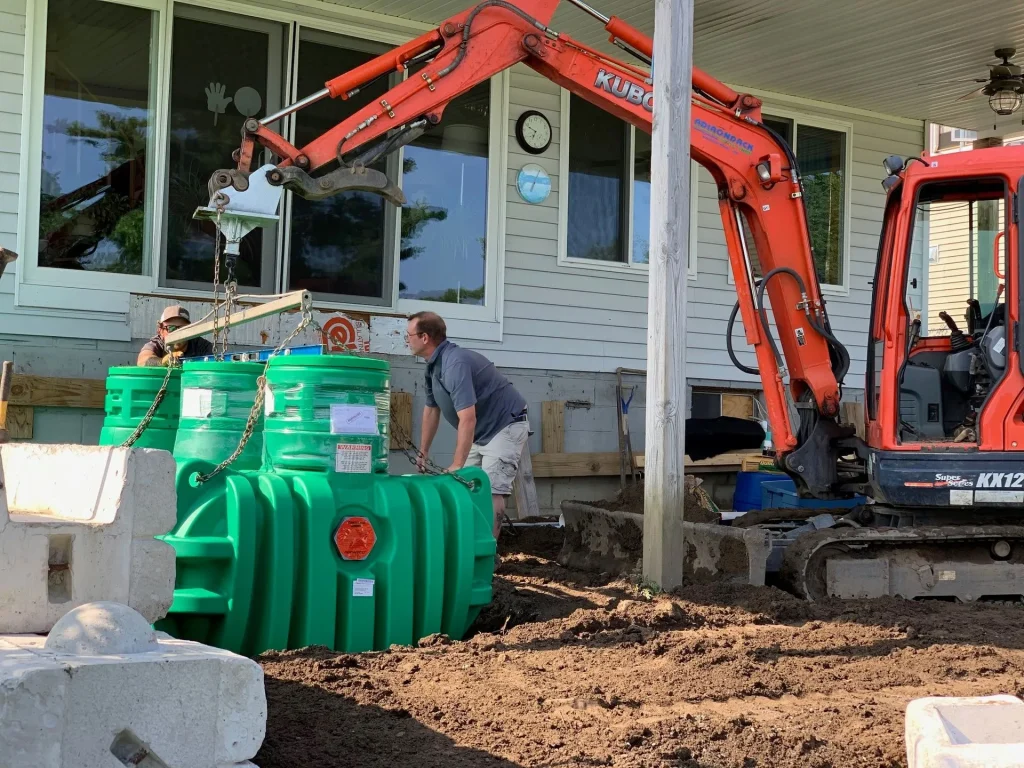

Building a new home in Wantage usually means dealing with the realities of rural infrastructure early, not late. You can spend months refining floor plans, window schedules, rooflines, and finishes, then hit a wall when wastewater design enters the conversation. In this part of Sussex County, a septic decision is not a side issue. It affects site layout, grading, utility coordination, permitting, long term maintenance, and often the total cost of the project.
That is where the conversation around norweco singulair green Wantage NJ tends to come up. Not because every lot needs the same answer, and not because one treatment system magically solves every constraint, but because advanced residential treatment systems can create options on sites where conventional approaches run into trouble. On some projects, they make the difference between a buildable plan and a complete redesign.
Anyone considering a new construction home in Wantage should understand what a Singulair Green system is meant to do, where it fits, and how to judge whether it belongs on a particular lot. The important part is not the brand name by itself. The important part is the match between soil conditions, health department requirements, engineering design, and the owner’s expectations over the next ten to twenty years.
Why wastewater planning matters so much in Wantage
Wantage has the kind of landscape that makes septic planning highly site specific. One lot may have favorable soils and enough room for a conventional field with comfortable setbacks. Another may have shallow limiting zones, uneven topography, tighter buildable area, wet season concerns, or site constraints created by wells, driveways, retaining walls, and stormwater features.
That variability catches people off guard, especially buyers who are used to municipal sewer. A new construction project can feel straightforward right up until test pit results and percolation data come back. Then the septic design starts shaping everything else. House placement might shift. Basement walks out may need adjustment. A detached garage or pool area may compete with reserve field area. Even landscaping plans can be affected.
On paper, wastewater treatment can look like a line item. In practice, it is one of the central design drivers for rural construction.
What the Norweco Singulair Green system is intended to do
At a practical level, a Norweco Singulair Green unit is an aerobic treatment system designed to improve the quality of residential wastewater before it reaches final disposal. Compared with a basic septic tank arrangement, advanced treatment can reduce key contaminants and produce cleaner effluent, which may support designs for sites that need more than a standard gravity system can provide.
That does not mean every advanced treatment installation looks the same. The treatment unit is only one part of the full wastewater solution. The rest includes pretreatment, dosing if required, dispersal method, control components, alarms, electrical service, access for maintenance, and the absorption area or other approved discharge method allowed under the local regulatory framework.
Homeowners sometimes hear the product name and assume they are buying a single self contained answer. Engineers and installers know better. The treatment unit matters, but the system succeeds or fails as a whole. Tank elevations, pipe slopes, final grading, groundwater separation, blower protection, and service access all matter just as much.
Why new construction projects often consider advanced treatment
With new construction, there is a narrow window where smart decisions are easier and cheaper. Before the foundation is set and before hardscape goes in, you have room to coordinate the wastewater system correctly. That is the moment when an advanced treatment option deserves a serious review.
A conventional system can still be the best fit on many lots. It is often simpler, less expensive to install, and easier for some owners to understand. But advanced treatment enters the picture for good reasons. On constrained lots, better effluent quality can support a design that uses available space more efficiently. On some sites, it can reduce the scale or configuration pressure on the disposal area, subject to the actual design standards that apply. For custom homes with larger bedroom counts, guest suites, or phased site improvements, flexibility can matter.
I have seen projects where the owner initially resisted any mechanical treatment system because they wanted “something simple.” After the site work was fully mapped, simple was no longer simple. The lot had enough room to build the house they wanted, but not enough margin to do it carelessly. The advanced treatment approach did not save money in the narrow sense of equipment cost. It saved the project by preserving the house layout and avoiding a painful reduction in scope.
Where the keyword fits, and where it should not be forced
The phrase norweco singulair green Wantage NJ makes sense when the discussion is specifically about advanced onsite wastewater treatment for a home being built in Wantage. It does not make sense as a substitute for real site evaluation. If an installer or salesperson leads with the unit before looking hard at the lot, be cautious. Good septic planning starts with site conditions, design flows, and regulatory requirements, then moves to equipment selection.
A treatment system should be the result of design, not the starting point of a sales pitch.
Site conditions that often drive the decision
The best septic discussions happen early, with a realistic look at both the lot and the house program. Bedroom count matters because design flow matters. Soil depth matters because treatment and dispersal depend on separation and suitability. Grading matters because wastewater does not care what looked good on the architect’s rendering.
Several recurring conditions push new construction teams toward more advanced solutions in rural North Jersey. One is a site with limited usable area after setbacks are honored. Another is a lot where topography creates awkward elevations between the house sewer exit and the proposed treatment area. A third is a property where preserving yard function, driveway alignment, or future accessory structures has real value. There are also cases where the local reviewing authority or project engineer identifies treatment performance targets that call for a more advanced approach.
None of those conditions automatically mean a Singulair Green system is required. They do mean the project deserves more than a default septic sketch.
Designing around the house, not after it
One of the most common mistakes in new construction is treating the septic system as something to tuck in later. By then, the lot is already crowded by choices that felt unrelated at the time. A slightly wider house footprint here, a better pool location there, a long curved driveway because it looked elegant on the concept plan, and suddenly the wastewater design has been boxed into a corner.
When a project team coordinates early, the opposite happens. The house sewer exits in the right place. Finished floor elevations support practical routing. Equipment access remains possible. The reserve area is protected. Roof runoff and surface drainage are directed so they do not create avoidable problems near treatment and dispersal areas. Electric service to the treatment unit is planned, not improvised.
That level of coordination tends to separate smooth builds from expensive rebuilds.
Questions worth asking before you commit
- Has the lot been fully evaluated for soil suitability, seasonal limitations, setbacks, and usable disposal area?
- Is the treatment system being recommended because of documented site constraints, or simply because it is the installer’s preferred product?
- How will this choice affect electrical work, alarms, service access, and annual maintenance responsibilities?
- What future site features, such as patios, sheds, pools, or additions, could be limited by the proposed layout?
- Who will provide startup, service, and support locally after the home is occupied?
Those questions sound basic, but they prevent a surprising number of problems. A homeowner does not need to become a wastewater engineer. They do need enough clarity to understand why the system was chosen and how it will live on the property.
The installation side that buyers rarely see
From the street, an advanced treatment system looks uneventful once buried and finished. During construction, there is far more going on. Tank setting has to be exact. Invert elevations must work with the actual house sewer, not just a drawing. Backfill practices matter because settlement can create future headaches. Mechanical components need protection from water intrusion and physical damage. Access lids should be reachable and secure, not hidden norweco singulair green Wantage NJ under permanent features that make service difficult.
I have watched projects lose days because one trade assumed another had confirmed elevations. The concrete crew set one benchmark, the site contractor worked from another, and the septic installer arrived to find that the sewer exit was not where everyone thought it was. Nothing about the treatment unit caused the problem. Coordination did.
That is worth stressing because advanced treatment systems sometimes get blamed for failures that begin with basic construction sloppiness. A well designed, properly installed system with regular service can perform reliably. A badly coordinated install will struggle no matter whose name is on the tank.
Cost, value, and the part no one likes to discuss
For many owners, the first question is simple: how much more does this cost than a conventional septic system?
The honest answer is that advanced treatment usually brings a higher upfront cost and an ongoing maintenance obligation. The equipment itself costs more. Electrical work may be more involved. Controls, alarms, blowers, or pumps may add complexity. Service visits are part of ownership. Over time, components wear out and need replacement.
That said, focusing only on first cost can be shortsighted. If advanced treatment allows a preferred house layout, avoids major earthwork, preserves usable yard area, or makes a constrained lot buildable, the broader project economics can shift in its favor. The right comparison is not just conventional septic versus advanced treatment on a blank page. It is total project cost and feasibility with each viable design path.
A homeowner building in Wantage is usually making a long term investment. If the house is expected to serve a family for decades, maintenance costs should be weighed against function, reliability, and the value of making the site work properly from the start.
Maintenance is not optional, and that is not a flaw
Some buyers hear that an advanced system requires periodic service and immediately treat that as a negative. It is more accurate to see it as a managed responsibility. Mechanical treatment systems perform best when inspected, adjusted, and serviced at proper intervals. That is part of the ownership model.
A neglected advanced system can deteriorate quietly until alarms, odors, or poor treatment quality force action. A maintained system tends to be predictable. Effluent quality depends on biology, airflow, hydraulic loading, and component condition. Those things deserve attention.
This is one area where professional support matters. Before approving a system for your new home, ask who services it in the area, how often visits are typically scheduled, what consumables or replacement parts may be expected over time, and how alarm calls are handled. Rural homeowners do not want to discover during a winter storm that local support is thin.
What builders and general contractors should pay attention to
Builders sometimes think the septic contractor will handle everything related to wastewater, but successful projects are more collaborative than that. The general contractor influences sequencing, site traffic, access preservation, grading protection, and utility coordination. If heavy equipment compacts the reserve area or if runoff is directed across sensitive soil zones, future performance can suffer before the system even goes online.
On stronger projects, the builder treats the wastewater plan as a protected piece of infrastructure from the start. Staging areas stay off designated field space. Final grades are verified against approved drawings. Downspouts, curtain drains, and yard drains are considered in relation to treatment and disposal areas. The electric subcontractor knows what the control panel and mechanical components require. These are not glamorous details, but they make the difference between a system that operates quietly and one that becomes a recurring nuisance.
Common pitfalls on new construction septic projects
- Designing the house first and trying to fit the wastewater solution into the leftover space.
- Assuming advanced treatment removes the need for good soil data, proper setbacks, and reserve planning.
- Forgetting about service access, then burying lids or crowding equipment with hardscape and plantings.
- Treating maintenance as an afterthought instead of part of the ownership budget.
- Allowing uncontrolled construction traffic or drainage changes to damage the approved septic area.
Every one of those mistakes is preventable. None requires exotic engineering to avoid. They come from rushing decisions or splitting responsibility among too many people who are not talking to each other.
Permitting and local review in practical terms
It would be irresponsible to pretend that every Wantage project follows one uniform path, because approvals depend on the lot, the design, and the governing requirements in place at the time of review. Still, owners should expect wastewater permitting to involve more than a casual sketch. Advanced systems generally require competent design documentation, coordination with the local or county reviewing authority as applicable, and adherence to installation and operation standards.
If you are evaluating norweco singulair green Wantage NJ for a new home, ask early what paperwork, inspections, certifications, or service obligations may attach to the design. Some homeowners are surprised to learn that ownership includes not just a buried system, but an ongoing compliance mindset. That is not something to fear. It is simply part of using higher performance treatment responsibly.
How to tell when a recommendation is thoughtful
A thoughtful recommendation usually sounds measured. The engineer or installer can explain why the site supports a conventional approach, or why it does not. They can describe what the advanced treatment unit is expected to accomplish in the context of the overall design. They are comfortable talking about maintenance, not just installation. They can point to access needs, electrical requirements, and how the proposed layout affects future use of the property.
A weak recommendation often sounds generic. It leans heavily on brand familiarity without showing site based reasoning. It glosses over maintenance. It avoids norweco singulair green Wantage NJ Excavating New Jersey LLC hard conversations about reserve area, traffic protection, or long term service. If you hear a lot of confidence but not much explanation, press for more detail.
The best wastewater professionals I have worked with tend to be calm, specific, and unromantic about the work. They know that septic systems are not showroom products. They are field built infrastructure that must perform through wet springs, power interruptions, heavy holiday occupancy, and years of ordinary family life.
Living with the system after move in
Once the home is occupied, the system should fade into the background. That is the goal. Good operation means no odors, no surfacing effluent, no nuisance alarms, and no mystery about service schedules. Homeowners can help by using water sensibly, avoiding abusive loading patterns, and keeping non wastewater materials out of the plumbing system.
Most of the day to day discipline is straightforward. Spread laundry loads when possible. Fix leaking fixtures. Avoid sending grease, wipes, solvents, or excessive disinfectants into the system. Respect the field area outside. Do not treat lids like landscaping features to be buried forever.
That may sound ordinary, but ordinary habits are what support long term performance. Septic systems rarely fail because one dramatic event happened on a sunny Tuesday afternoon. More often, they fail because small avoidable issues accumulated for years.
Is a Norweco Singulair Green system the right choice for your Wantage project?
For some new construction projects, yes. Especially where site constraints, design goals, or performance expectations justify an advanced treatment approach. For others, a conventional system may remain the cleaner answer, both technically and financially. The right decision comes from matching the lot, the house, and the regulatory path with an honest view of installation and maintenance realities.
The most productive way to evaluate norweco singulair green Wantage NJ is not as a buzzword or a default upgrade. Think of it as one tool in the toolbox for building responsibly on rural property. If your engineer, septic designer, and installer can explain clearly why it fits your lot and how it will be supported over time, you are on solid ground. If they cannot, keep asking questions until the recommendation makes practical sense.
A new home in Wantage deserves wastewater planning that is as deliberate as the foundation under it. When that happens, the septic system stops being a source of uncertainty and becomes what it should have been all along, a dependable part of the property, quietly doing its job year after year.
Excavating New Jersey LLC
406 County Rd 565
Wantage, NJ 07461, United States
Phone: +1 (973) 791-4284
FAQ About norweco singulair green Wantage NJ
How does a Norweco septic system work?
Singulair Green uses aerobic biological treatment in a polyethylene tank, followed by settling and filtration. The treatment unit is one part of a complete wastewater system; the site design also determines how treated effluent is dispersed.
How much does a Norweco septic system cost in NJ?
A useful estimate requires a property evaluation. Excavation access, soil conditions, engineering, electrical work, the disposal field, and restoration can affect the total. Ask Excavating New Jersey LLC for a written scope that distinguishes installation costs from ongoing service costs.
Are Norweco septic systems good?
Singulair Green is an established aerobic treatment option, but suitability depends on the property and proposed design. Compare the model's documented performance, maintenance needs, and total project scope with alternatives before deciding.