Norweco Singulair Green Wantage NJ: Septic System Basics Explained
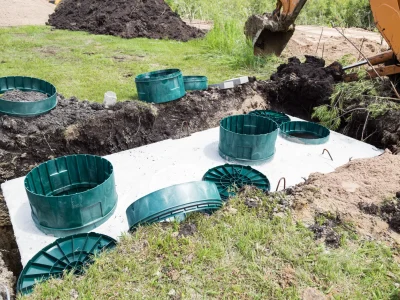
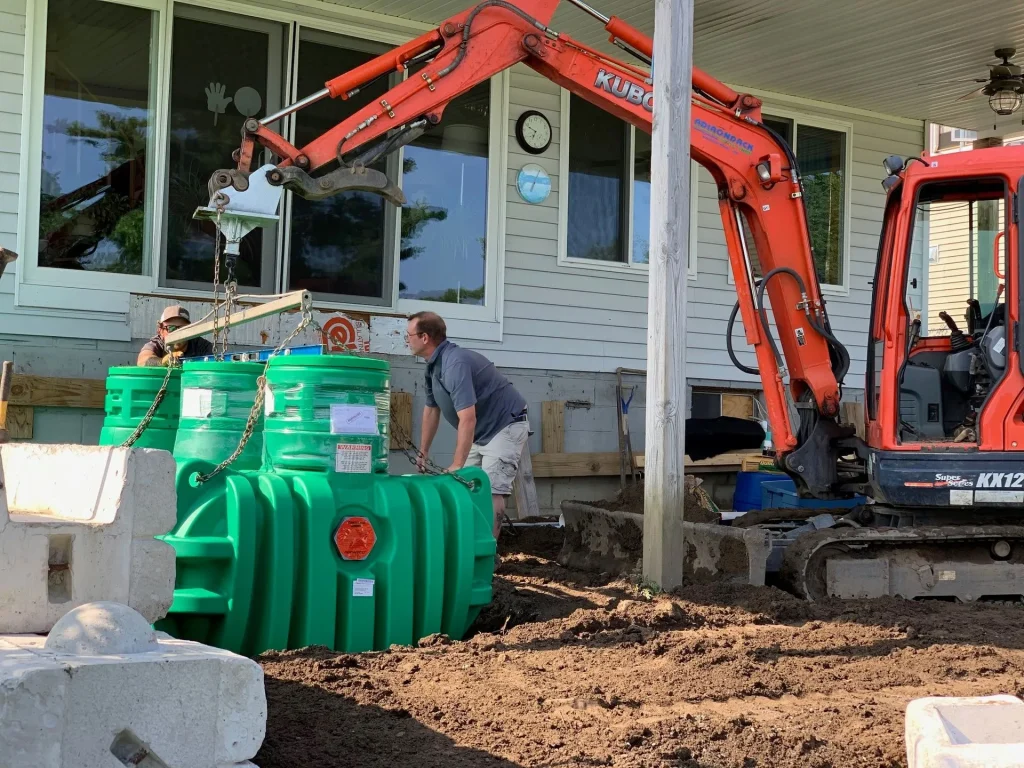
If you own a home in a place like Wantage, septic is not some obscure utility hidden in the yard. It is the wastewater treatment plant for the house, and when it runs well, nobody thinks about it. When it does not, people think about little else. That is why homeowners asking about a norweco singulair green Wantage NJ setup are usually trying to understand more than a brand name. They want to know what they have, how it works, what it needs, and what problems to catch early before they become expensive.
That is a smart instinct. A Norweco Singulair Green system is not the same thing as a simple old gravity septic tank feeding a stone trench. It is an aerobic treatment unit, which means it uses oxygen and mechanical components to treat wastewater to a higher standard before discharge. In the right setting, that can make a great deal of sense. In the wrong hands, or with unrealistic expectations, it can become one more piece of equipment that gets ignored until a red light starts flashing.
The basics are not hard to learn. The value comes from understanding how the pieces interact, especially in a rural New Jersey setting where soils, winter temperatures, electrical reliability, lot constraints, and maintenance habits all matter.
Why systems like this show up in Wantage
Wantage sits in a part of New Jersey where many homes rely on private wells and septic systems. That alone does not require advanced treatment, but local conditions often push designs beyond a basic tank and field. Some properties have tight setbacks. Some have difficult soils. Some have shallow depth to limiting layers, ledge, or seasonal groundwater concerns. Some are replacement situations where there is not much usable area left and the design must work harder within a smaller footprint.
That is where a treatment unit such as the Singulair Green can enter the conversation. Instead of relying mostly on passive settling in a septic tank and biological treatment in the soil absorption area, an aerobic unit does more treatment before the water reaches the dispersal area. Cleaner effluent can improve the performance of the downstream system and can help support designs where a conventional layout is not practical.
Homeowners sometimes hear that and assume an advanced unit is automatically better. The truth is more nuanced. It is often better at treatment. It is not automatically simpler. It adds motors, controls, and service requirements. In exchange, it can solve site limitations that a conventional system cannot.
That trade-off is worth understanding before you own one, buy a house with one, or approve a repair estimate.
What a Norweco Singulair Green system actually is
At its core, the Singulair Green is a residential wastewater treatment system that uses aerobic treatment. Wastewater from the home enters the tank, solids settle and begin to break down, and then an aeration process helps bacteria digest organic material more efficiently than in a standard anaerobic tank. After treatment, the clarified effluent moves on for final discharge or dispersal, depending on the design.
The exact configuration can vary by installation. That point matters. Homeowners often speak of “the septic” as if it were one box in the ground. In reality, the full system may include the treatment tank itself, an aerator, control components, alarms, filters, and then some form of downstream disposal area or discharge arrangement approved for that site. The details depend on design, permitting, and local conditions.
A simple way to think about it is this: a conventional septic system mostly stores and partially treats wastewater before sending it to the soil for heavy lifting. A Singulair Green system treats the wastewater more aggressively inside the unit first, then relies on the next stage to finish the job.
That does not eliminate the need for pumping, inspection, or responsible water use. It just changes how treatment happens.
The main stages, without getting lost in engineering jargon
Most homeowners do not need a technical manual. They need a working picture in their heads so service calls make sense. The process usually goes something like this.
Wastewater from toilets, showers, sinks, and laundry enters the treatment tank. Heavier solids settle, grease and lighter material float, and the treatment chamber begins separating what can be broken down from what must eventually be pumped out. Aeration introduces oxygen, which supports aerobic bacteria. Those microorganisms are efficient eaters when they have the right environment, and they reduce organic strength in the wastewater.
Once that treatment stage does its work, the liquid moves forward in a cleaner state than what leaves a typical septic tank. Depending on the installation, it may pass through clarification and flow onward to the approved discharge point, often some kind of soil-based disposal component. That last part matters because even high-quality treatment upstream does not excuse a failing disposal area downstream.
I have seen homeowners focus so much on the treatment unit that they forget the rest of the system still exists. A healthy aerator will not rescue a clogged field that has been abused for years. Likewise, replacing stone or pipe in a disposal area will not solve chronic treatment issues caused by a failed motor, neglected sludge buildup, or an alarm that has been blinking for months.
What makes it different from a conventional septic system
The biggest difference is active treatment. Conventional systems are largely passive. Wastewater flows by gravity, solids settle, bacteria work in low-oxygen conditions, and the soil does a great deal of the final treatment. A Singulair Green system is active. It depends on powered components and routine oversight.
That creates both norweco singulair green Wantage NJ benefits and obligations.
On the benefit side, advanced treatment can reduce organic loading to the disposal area. That can be valuable on constrained sites and can support system performance where a standard arrangement may not be feasible. It can also provide a level of treatment that some jurisdictions or site conditions call for.
On the obligation side, active systems need regular service. They are not “set it and forget it” systems. They need electricity. They need periodic inspection of mechanical parts. They need solids management. If an alarm sounds, it needs attention. Owners who treat an aerobic unit like an old steel tank from 1978 usually learn an expensive lesson.
One of the most common misunderstandings is the idea that advanced treatment means no pumping. It does not. Biological treatment reduces waste strength, but solids still accumulate. Sludge and scum still need to be managed. Skipping pump-outs because the system is “high tech” is a reliable way to shorten the life of the unit and burden the downstream disposal area.
Why maintenance is not optional
The maintenance question is where homeowner expectations and real-world performance either align or crash into each other.
A Norweco unit typically benefits from periodic professional inspection. Service providers are checking aeration performance, controls, alarms, sludge levels, filters if present, and overall operation. They are also looking for clues that do not announce themselves with a loud failure. Weak air delivery, irregular cycling, buildup in the wrong chamber, or evidence of hydraulic overloading can all point to trouble before sewage backs up into a basement.
In practical terms, neglect usually shows up in one of three ways. The first is gradual underperformance, where the treatment quality drops and the downstream area takes on more stress than it should. The second is an obvious alarm condition, often caused by electrical or mechanical issues. The third is a symptom outside the tank, such as wet spots, odors, slow drains, or plumbing backups.
The difficult part is that homeowners often react only to the third category because it affects daily life. By then, the repair bill is rarely smaller.
Routine maintenance tends to feel unnecessary when everything appears normal. That is true of furnaces, well equipment, and septic systems alike. Yet advanced wastewater treatment equipment earns its keep when it is supported. Ignore it for years and it becomes a liability.
A few habits that help these systems last
Most septic advice sounds repetitive because the fundamentals rarely change. Still, people remember specifics better than slogans.
Here are the habits that make the biggest difference:
- Spread out laundry and heavy water use instead of flooding the system in short bursts.
- Keep grease, wipes, and harsh non-flushable debris out of the drains, even products labeled flushable.
- Follow a pumping and inspection schedule based on occupancy, actual usage, and service recommendations.
- Watch for alarms, odors, slow fixtures, or soggy ground and act early rather than waiting for a total failure.
- Protect the system area from vehicle traffic, deep-rooted plantings, and drainage problems from roofs or grading.
None of that is glamorous, but it is the difference between a system that performs predictably and one that becomes a recurring emergency.
The Wantage factor: climate, power, and property layout
A discussion of norweco singulair green Wantage NJ would be incomplete without talking about local realities. North Jersey conditions shape how septic systems behave. Winter is real. Power outages happen. Rural properties often have complex grading and drainage patterns. Seasonal occupancy on some properties also changes flow patterns in ways owners do not always appreciate.
Cold weather by itself does not doom a septic system, but winter exposes weaknesses. A shallow component, poor cover, compacted snow from vehicle traffic, or long periods of very low flow can create trouble. On aerobic units, consistent operation matters. Mechanical systems generally prefer steady conditions norweco singulair green Wantage NJ over long periods of neglect interrupted by sudden heavy use.
Power reliability matters too. Since this type of treatment depends on active components, outages can affect operation. Short interruptions are one thing. Repeated or prolonged outages are another. Homeowners in outage-prone areas should ask their service provider what normal recovery looks like and what warning signs deserve a call after power returns.
Topography also matters more than many people think. Surface water should not be encouraged toward any septic component. A treatment unit can be working perfectly and still struggle if roof leaders, sump discharges, or uphill runoff keep saturating the disposal area. Some of the toughest service calls are not inside the tank at all. They are grading problems dressed up as septic problems.
Signs something is off, and what they usually mean
Not every symptom points to the same failure. A careful read of the signs often narrows the problem before a technician even opens the lid.
A persistent odor near the treatment unit can suggest venting issues, treatment imbalance, or a component problem, though temporary odors right after service can happen. Slow drains inside the house may have nothing to do with the septic field at all, especially if only one fixture is involved. But if the whole house is sluggish, that deserves attention.
Wet, spongy ground near the disposal area is more serious. It can indicate hydraulic overloading, downstream failure, or long-term stress from poor treatment or excess water entering the system. A high water alarm or other alert should never be treated like a smoke detector with a weak battery. The system is telling you conditions are outside normal limits.
One service technician I know says the most expensive sentence in septic ownership is, “It’s been beeping for a while, but everything still flushed.” That is exactly how manageable repairs turn into replacements.
Pumping intervals and service frequency
Homeowners always want a fixed number. Every three years. Every five years. Once a decade. Real life is messier.
Pumping frequency depends on tank size, household size, water habits, garbage disposal use, and the amount of non-biodegradable material entering the system. Aerobic treatment units still accumulate solids, and some households load systems much harder than they realize. A retired couple with conservative water use does not produce the same demand as a family with teenagers, frequent guests, and marathon laundry days.
Inspection frequency is also influenced by the type of equipment and any local operating requirements tied to the system design. Some owners benefit from an annual rhythm that includes both operational checks and an honest discussion of how the system is being used. Others need more attention because the site is sensitive or the system has a history.
If you have recently bought a home with this kind of setup and have no records, that is not the time to guess. Getting the unit identified, opened, evaluated, and put on a maintenance schedule is usually money well spent.
What buyers should ask before purchasing a home with one
A house with an advanced treatment system should not scare a buyer off. It should trigger better questions.
Ask for installation records if available. Ask who services the unit and whether there is a maintenance history. Ask when it was last pumped, whether alarms have occurred, and what the disposal method is downstream of the treatment unit. Ask whether any repairs or control replacements have been done recently. A fresh air motor is not necessarily bad news, but a seller who cannot explain repeated service calls is a different story.
These are useful points to cover before closing:
| Question | Why it matters | | --- | --- | | What exact system is installed? | Confirms components, model, and service needs | | Who has maintained it? | Helps verify history and establish future support | | When was it last pumped and inspected? | Reveals whether routine care has been neglected | | Have there been alarms, backups, or wet areas? | Flags recurring issues that may not be obvious during a showing | | How is the treated effluent dispersed or discharged? | Clarifies the full system, not just the treatment tank |
A pre-purchase septic inspection on an advanced system should go beyond a quick glance. The buyer is not just purchasing a tank. They are taking over a treatment process.
Cost expectations, without pretending there is one number
Costs vary widely by condition, accessibility, service market, and what exactly needs attention. Routine service is one category. Pumping is another. Mechanical repairs fall into a different bucket. Full replacement or major redesign is its own conversation entirely.
That is why online numbers often mislead people. A homeowner looking up septic costs may see a low figure for pumping and assume that covers everything. It does not. On the other hand, hearing that an advanced system costs more to maintain does not mean every visit is dramatic or unaffordable. In many cases, the sensible expense is regular service that prevents major damage later.
The better mindset is to treat septic maintenance like owning a boiler, well pump, or roof. It is part of the cost of running a rural property correctly. The owners who suffer the worst surprises are usually the ones who never budgeted for any upkeep at all.
Common myths that cause real damage
A surprising amount of septic trouble starts with bad assumptions passed from one homeowner to another.
One myth is that additives can replace pumping. They cannot. Another is that if wastewater disappears, the system must be fine. Not necessarily. Systems can accept flow and still treat poorly or overload the disposal area. A third myth is that cleaner effluent means homeowners can be careless with what they flush. Aerobic treatment is not a license to send wipes, grease, or disinfectant-heavy waste into the tank.
There is also a local myth on rural properties that “the old system always worked until someone overcomplicated it.” Sometimes that is true. Sometimes the old system “worked” only because nobody looked too closely, groundwater conditions were different, or the household was smaller. Replacement designs often look more complex because the site constraints are tougher than they were decades ago, and environmental standards are not what they once were.
Experience matters here. The right question is not whether a system is simple or advanced. The right question is whether it is appropriate for the site and maintained according to how it actually works.
Living comfortably with an advanced septic system
Once homeowners understand the basics, most of the anxiety fades. A Singulair Green system is not fragile crystal buried in the yard. It is working equipment. It can serve a home well for years when it is respected as equipment.
That means keeping records. It means knowing where the main components are located. It means not paving over access or planting trees on top of critical areas. It means having a relationship with a qualified service provider before there is an emergency. It also means paying attention when the household changes. A finished basement with a new bath, a short-term rental arrangement, or three extra occupants can affect performance even if nothing has been altered underground.
For homeowners in Wantage, that practical mindset goes a long way. Rural properties ask for a little more owner awareness than homes on city sewer, but they also reward it. When the system is matched to the site, used responsibly, and serviced on schedule, it tends to fade back into the background where it belongs.
That is really the goal behind understanding a norweco singulair green Wantage NJ installation. Not to become a wastewater engineer, and not to panic over every noise or alarm light, but to know enough to make good decisions. Septic systems are unforgiving of neglect and very responsive to sound maintenance. Once you grasp that, the rest becomes much easier to manage.
Excavating New Jersey LLC
406 County Rd 565
Wantage, NJ 07461, United States
Phone: +1 (973) 791-4284
FAQ About norweco singulair green Wantage NJ
How does a Norweco septic system work?
Singulair Green uses aerobic biological treatment in a polyethylene tank, followed by settling and filtration. The treatment unit is one part of a complete wastewater system; the site design also determines how treated effluent is dispersed.
How much does a Norweco septic system cost in NJ?
A useful estimate requires a property evaluation. Excavation access, soil conditions, engineering, electrical work, the disposal field, and restoration can affect the total. Ask Excavating New Jersey LLC for a written scope that distinguishes installation costs from ongoing service costs.
Are Norweco septic systems good?
Singulair Green is an established aerobic treatment option, but suitability depends on the property and proposed design. Compare the model's documented performance, maintenance needs, and total project scope with alternatives before deciding.